
What Are the Main Causes of Pedestrian Accidents in Brooklyn?
Published:
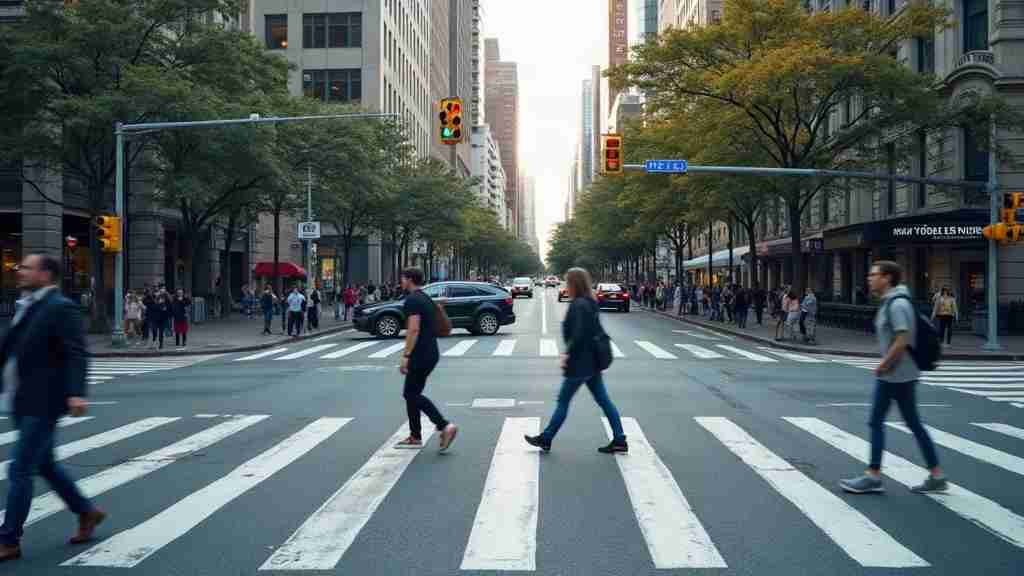
Left turns are one of the most dangerous moments at any Brooklyn intersection, and they are consistently among the main causes of pedestrian accidents across New York City. A driver turning left is often focused on gaps in oncoming traffic, not on the person already lawfully crossing in the crosswalk. That split-second lapse in attention is responsible for a disproportionate share of serious pedestrian injuries at the borough’s busiest corners.
Understanding why left turns are so dangerous — and what other factors contribute to pedestrian collisions — can help you stay safer and can also matter a great deal if you or a family member is ever hurt. Below, we break down the main causes of pedestrian accidents in Brooklyn, with a close look at why left-turn crashes deserve special attention.
What Are the Main Causes of Pedestrian Accidents in Brooklyn?
Pedestrian accidents rarely happen for just one reason. Most involve a combination of driver behavior, roadway design, and visibility conditions. The most common causes include:
- Left-turn and right-turn collisions at signalized intersections, where turning drivers fail to yield to pedestrians already in the crosswalk
- Distracted driving, including phone use, navigation apps, and in-car infotainment systems
- Speeding, which reduces reaction time and increases the severity of injuries when a crash occurs
- Failure to yield the right of way at marked and unmarked crosswalks
- Drunk or impaired driving, which remains a leading factor in nighttime pedestrian deaths
- Poor visibility caused by weather, dim street lighting, or parked vehicles blocking sightlines
- Running red lights or stop signs
- Backing up in parking lots, driveways, and loading zones without checking for pedestrians
Of these, left-turn collisions stand out in Brooklyn because of how the borough’s streets and signal timing are designed. The next section explains why.
Why Left Turns Are So Dangerous for Pedestrians
When a driver makes a left turn, their attention naturally splits between watching for a safe gap in oncoming traffic and scanning the crosswalk they’re about to cross. Research on urban intersections has repeatedly shown that this divided attention causes drivers to look toward traffic and simply miss pedestrians stepping off the curb.
Several factors make this worse in a dense urban environment like Brooklyn:
Wide, Multi-Lane Intersections
Many Brooklyn corridors — think major avenues like Flatbush, Atlantic, or Eastern Parkway — have multiple turning lanes and long crosswalks. A pedestrian may be visible from one angle but hidden behind another vehicle from the driver’s position mid-turn.
Turning Speed and Angle
Drivers often accelerate through a left turn to beat oncoming traffic, which means they’re moving faster and have less time to react if a pedestrian is already crossing.
Shared Signal Phases
At many intersections, pedestrians get a “walk” signal at the same time turning vehicles get a green light. This concurrent phasing creates an inherent conflict point — both the driver and the pedestrian are moving through the same space with a legal right to do so, and the margin for error is thin.
Driver Expectation Bias
Drivers tend to focus on where they expect danger — oncoming cars — rather than where pedestrians are most likely to be. This “looked but failed to see” pattern shows up again and again in crash reports involving turning vehicles.
Left Turns vs. Right Turns: A Quick Comparison
Both turning movements create pedestrian risk, but studies of urban crash data consistently find left turns more dangerous. Here’s why:
| Factor | Left Turns | Right Turns |
|---|---|---|
| Driver’s visual focus | Split between oncoming traffic and crosswalk | Primarily toward the crosswalk and curb |
| Typical turning speed | Often faster, to clear oncoming lanes | Usually slower, tighter turn radius |
| Crosswalk distance crossed | Longer, across multiple lanes | Shorter, single approach |
| Relative crash severity | Generally higher impact speeds | Generally lower impact speeds |
Other Intersection Dangers Beyond Turning Vehicles
While left-turn crashes are a leading cause, Brooklyn pedestrians face several other recurring hazards:
- Rideshare pickups and drop-offs that force pedestrians into traffic lanes or create sudden stops near crosswalks
- Delivery and commercial trucks with large blind spots, especially when turning
- Bus movements at crowded stops where sightlines are blocked by waiting riders
- Subway station exits that dump foot traffic directly onto busy corners with limited signal time
- Double-parked vehicles that block crosswalk visibility for both drivers and pedestrians
These overlapping risks are part of why pedestrian injury cases in New York often involve more than one potentially liable party — a driver, a commercial fleet, a rideshare company, or even the city itself if a signal or intersection design contributed to the crash. If a commercial vehicle or delivery truck was involved, our page on truck accident claims explains how liability can extend beyond the individual driver.
What to Do After a Left-Turn Pedestrian Accident
If you’re ever struck by a turning vehicle, the steps you take in the following hours and days can significantly affect your health and any later claim.
- Call 911 so police and medical responders document the scene and create an official report
- Get checked by a medical professional even if you feel okay — soft tissue and head injuries often don’t show symptoms immediately
- Note the signal timing if you can — was the walk signal lit? Was the vehicle turning on a green light or a protected arrow?
- Identify witnesses, since corner stores, bus riders, or nearby pedestrians often see what the driver missed
- Photograph the intersection, including sightline obstructions, crosswalk markings, and traffic signal heads
- Avoid giving a recorded statement to an insurance adjuster before speaking with someone who can advise you on your rights
These details matter because left-turn cases often come down to exactly what each party could see and when. Camera footage from nearby businesses or MTA infrastructure can disappear within days or weeks, so acting quickly preserves evidence that might otherwise be lost.
Why These Cases Can Be Legally Complex
Left-turn pedestrian crashes often involve disputed questions of fact: Did the pedestrian have the right of way? Was the driver’s view blocked by another vehicle? Was the signal phasing itself a contributing factor? These are exactly the kinds of questions that benefit from a thorough, independent investigation rather than relying solely on the initial police report.
Because injuries from being struck by a turning vehicle can be severe — fractures, head trauma, or worse — it’s also important to understand the full scope of what’s being claimed. Some pedestrian crashes result in traumatic brain injuries or other catastrophic harm that require long-term medical care and a much more detailed damages analysis than a routine fender-bender.
Anyone navigating this process should understand how New York’s pedestrian right-of-way laws apply to their specific intersection and crash scenario. Our dedicated page on pedestrian accident claims walks through how fault and compensation are typically evaluated in these cases.
How Brooklyn’s Street Design Factors In
Brooklyn’s grid includes a mix of wide commercial avenues, narrower residential streets, and major arteries that funnel heavy traffic through dense pedestrian areas. Many of these intersections predate modern traffic-calming standards, meaning turning lanes, signal timing, and crosswalk placement weren’t always designed with today’s pedestrian volume in mind.
Vision Zero initiatives have added protected turn phases and leading pedestrian intervals at some corners, giving walkers a head start before vehicles get a green light. But coverage is uneven, and many intersections — particularly in commercial corridors with constant turning traffic — still rely on older signal patterns that put pedestrians and turning vehicles in the same space at the same time.
Moving Forward After a Pedestrian Accident
Left-turn collisions are a sobering reminder that having the right of way doesn’t always mean a driver will see you in time. Knowing the main causes of pedestrian accidents — distracted and impaired driving, poor visibility, failure to yield, and especially the divided attention that comes with turning vehicles — can help you stay more alert at Brooklyn’s busiest corners.
If you or someone you love has been hurt by a turning vehicle or any other kind of pedestrian crash, the team at Ikhilov & Associates is here to answer questions and help you understand your options when you’re ready. You can read more about our approach on our about us page, browse past case results, or find us directly through our Google Business Profile. We’re glad to be a resource, whether that’s today or down the road.

Keep reading
More from the blog

How to Prevent Workplace Injuries: Why RSI Claims Get Denied in Brooklyn
Learn how to prevent workplace injuries like carpal tunnel and back strain, and why repetitive stress claims are…
Read more
Why Scaffold Law Cases Differ From Standard Construction Injury Claims
A construction accidents lawyer chicago il searchers trust explains why Scaffold Law claims differ from standard construction injury…
Read more
What Insurance Covers Bicycle Accidents? Proving Brooklyn Dooring Claims
Learn what insurance covers bicycle accidents after a Brooklyn dooring crash, why these claims are so hard to…
Read moreTalk to a lawyer about your case
A case review costs nothing and puts you under no obligation. We work on a contingency fee, so there is no fee unless we recover compensation for you.