
Queens Slip and Fall Lawyer for Injury Victims
Stores, apartment buildings, and sidewalks across Queens owe you a safe path. When they fail, we pursue full compensation.
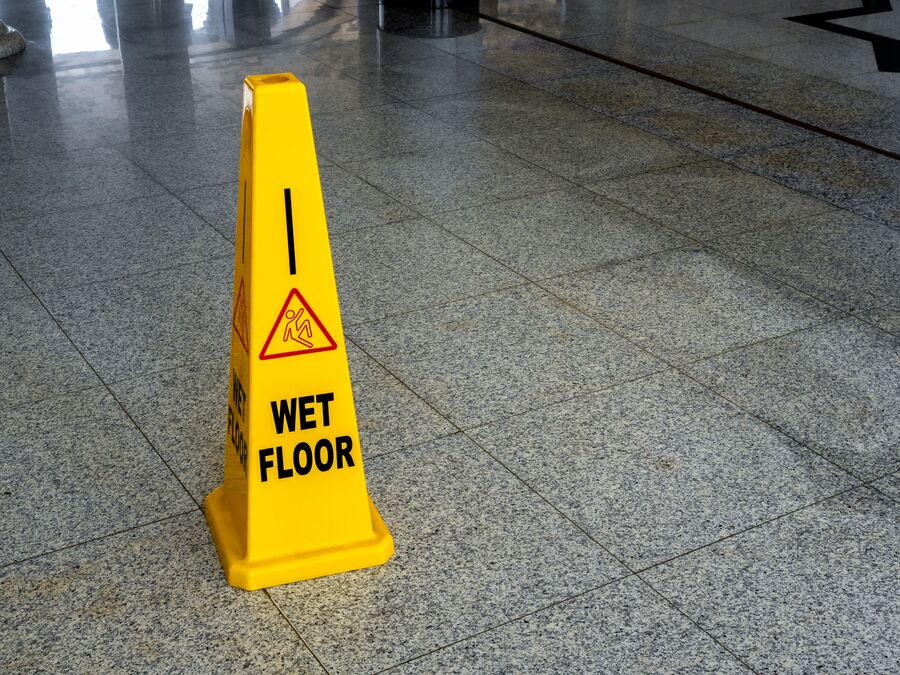
Premises Injuries Throughout Queens
From supermarkets and malls in Flushing and Jamaica to apartment buildings in Astoria and Corona, Queens property owners are responsible for keeping their spaces safe. Wet floors, broken stairs, poor lighting, and snow and ice cause serious falls year-round. Our premises liability attorneys stand up for injured Queens residents and visitors.
The Notice Requirement
To win a slip and fall claim, we must show the owner created the hazard or had actual or constructive notice of it and failed to act. In a Queens store, that often means proving how long a spill or debris sat on the floor through video, inspection logs, and employee testimony. Building the notice record early is critical.
Sidewalk and Exterior Falls
For falls on the sidewalk, New York City Administrative Code § 7-210 generally makes the abutting commercial or larger residential owner, not the City, responsible for maintenance and resulting injuries. We identify the correct property owner so your claim is filed against the right party from the start.
Steps to Take After a Queens Fall
If you can, report the fall to the property owner or manager and ask for a written incident report, photograph the hazard and the surrounding area, collect the names of any witnesses, and seek medical attention the same day. Keep the shoes and clothing you were wearing. These steps preserve the proof of a dangerous condition and the owner’s notice of it, which are the heart of every premises liability claim.
Free Review With a Queens Slip and Fall Lawyer
We handle the insurers and prepare your case for trial in Queens County. There is no fee unless we win. Contact us for a free consultation.
What to do after a fall in Queens
- Photograph the condition immediately A defect in a sidewalk flag, a spill in a supermarket aisle, ice at the base of a stairway. Repairs and cleaning happen quickly, and afterwards there is nothing left to show.
- Report it and ask for the incident report Stores, malls and managed buildings in Queens generally complete one. Ask for a copy before you leave.
- Establish who controls the location For a fall on a sidewalk, responsibility depends on the abutting property and how it is used. For a fall inside, it may sit with a tenant rather than the owner.
- Seek treatment and describe the mechanism A record noting a fall on a wet floor supports the claim in a way that a record noting knee pain does not.
- Preserve receipts placing you there A till receipt or a transit record fixes the time, which matters when a defendant disputes when the fall occurred.
If the fall was on public property, in a park or at a transit location, a written notice of claim comes first, in most cases within ninety days. See General Municipal Law § 50-e.
What a Queens premises claim can cover
- Treatment and rehabilitation Fractures of the wrist, hip and ankle are the most common serious outcomes of a fall, and each can require surgery followed by months of therapy.
- Income lost during recovery Including work that cannot be performed on crutches or with a restricted range of motion.
- Pain and suffering Assessed on the particular injury and its effect on daily life.
- Ongoing costs Equipment, transport to appointments and help at home while mobility is limited.
Older adults account for a large share of serious fall injuries, and insurers regularly argue that a fracture reflects an existing condition rather than the fall. Medical records from before the fall usually answer that.
New York law
The statutes that apply to this kind of claim
Each provision below links to its official text published by the New York State Senate. How a statute applies depends on the facts of a specific case.
Three year limit on personal injury actions
Most personal injury cases in New York must be filed within three years of the date of the injury. Several situations change that period, including claims against a public agency and claims on behalf of a child.
Comparative fault
Being partly at fault does not end a claim in New York. Compensation is reduced in proportion to the share of fault assigned to the injured person.
Notice of claim against a public body
This applies when the claim is against a public body: the City, a public housing authority, a public hospital or a school district. Those claims require a written notice of claim, in most cases within ninety days of the incident. A fall on private property, in a store or an apartment building, follows the ordinary rules instead.
This summary is general information about New York law, not legal advice about your situation. Deadlines have exceptions, and some of them are short. Speak with an attorney about the facts of your case.
What should I do right after a slip and fall in a Queens store?
Report it to the manager and ask for an incident report, photograph the hazard, get witness names, and seek medical care. Preserving evidence of the condition is essential to proving notice later.
How is fault decided in a slip and fall case?
By whether the owner created the danger or had actual or constructive notice and failed to fix it. New York’s comparative negligence rule still allows recovery if you were partly at fault.
Do I have a case if there was no warning sign?
Often yes. The absence of a warning sign or cone can itself be evidence of negligence when a known hazard, like a wet floor, was left unmarked.

Reviewed by
Erik Ikhilov, Esq.
Founding Partner & Personal Injury Attorney, Ikhilov & Associates
Founding partner of Ikhilov & Associates and New York personal injury attorney. Admitted to practice in New York, registration number 2550754.
Full biographyTalk to a lawyer about your case in Queens
A case review costs nothing and puts you under no obligation. We work on a contingency fee, so there is no fee unless we recover compensation for you.