
Brooklyn Bus Accident Lawyer
Brooklyn records close to three bus-involved crashes a day. Whether the bus was the MTA’s or a private company’s decides every deadline in the case, and that answer comes first.
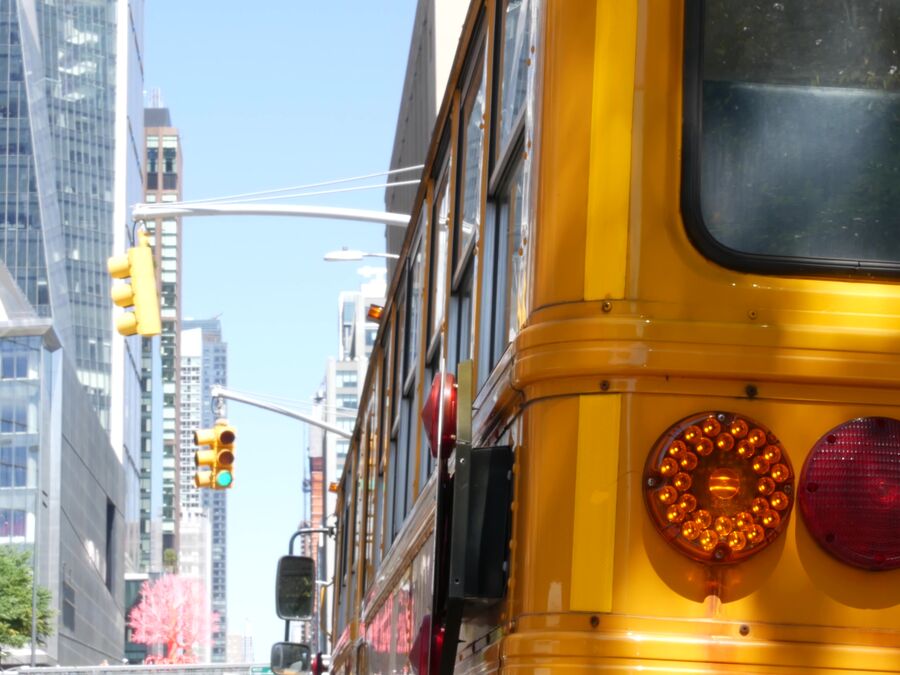
Who ran the bus decides every deadline
Most Brooklyn buses belong to the MTA network, and a claim against a public carrier runs on the shortest clocks New York practice knows: a formal notice of claim within 90 days and a lawsuit within one year and 90 days under Public Authorities Law § 1212. A private, charter or school bus follows the ordinary three year rule under CPLR § 214 instead, so identifying the operator is the first task of the case, not a formality.
Our free case review asks who operated the bus immediately after the date of the crash for exactly this reason. When the answer is a public agency and the crash is recent, the 90 day window is already running.
Brooklyn bus crashes by the numbers
Brooklyn, full year 2025
- 947 crashes involving a bus
- 489 people injured in them
- 24,303 crashes in the borough overall
The bus figures count collisions where one of the first two vehicles on the police report is coded as a bus, which undercounts crashes involving three or more vehicles. Even so it comes to nearly three bus-involved crashes a day, spread across the borough’s densest corridors.
Two rules every injured bus rider should know
- No-fault runs through your own household policy first Bus passengers are the statutory exception in Insurance Law § 5103: first party benefits come from the auto policy covering your household, and the bus company’s insurer pays only when no such policy exists. Riders without a car in the household claim from the bus’s insurer. The application is due within 30 days either way, and sending it to the wrong carrier is the most common early mistake.
- The bus recorded more than anyone at the scene Onboard cameras, telematics and the operator’s same-day incident report all sit with the bus company, and footage is kept on a limited cycle. A preservation letter goes out first. A bus also has no passenger list: the names collected at the scene are usually the only ones that will ever exist.
The citywide rules, including school routes with both a private contractor and a public district behind them, are covered on our bus accidents page; the borough overview lives at Areas We Serve: Brooklyn.
New York law
The statutes that apply to this kind of claim
Each provision below links to its official text published by the New York State Senate. How a statute applies depends on the facts of a specific case.
Claims against the transit authority
Sets the notice and timing rules for actions against the New York City Transit Authority, which operates the subway and city buses. These deadlines are shorter than the general three year period.
Notice of claim against a public body
This applies when the claim is against a public body: the City, a public housing authority, a public hospital or a school district. Those claims require a written notice of claim, in most cases within ninety days of the incident. A fall on private property, in a store or an apartment building, follows the ordinary rules instead.
Three year limit on personal injury actions
Most personal injury cases in New York must be filed within three years of the date of the injury. Several situations change that period, including claims against a public agency and claims on behalf of a child.
Comparative fault
Being partly at fault does not end a claim in New York. Compensation is reduced in proportion to the share of fault assigned to the injured person.
This summary is general information about New York law, not legal advice about your situation. Deadlines have exceptions, and some of them are short. Speak with an attorney about the facts of your case.

Reviewed by
Erik Ikhilov, Esq.
Founding Partner & Personal Injury Attorney, Ikhilov & Associates
Founding partner of Ikhilov & Associates and New York personal injury attorney. Admitted to practice in New York, registration number 2550754.
Full biographyTalk to a lawyer about your case in Brooklyn
A case review costs nothing and puts you under no obligation. We work on a contingency fee, so there is no fee unless we recover compensation for you.