
Why Platform Gap and Door Closure Injuries Raise Unique Liability Questions on NYC Subways
Published:
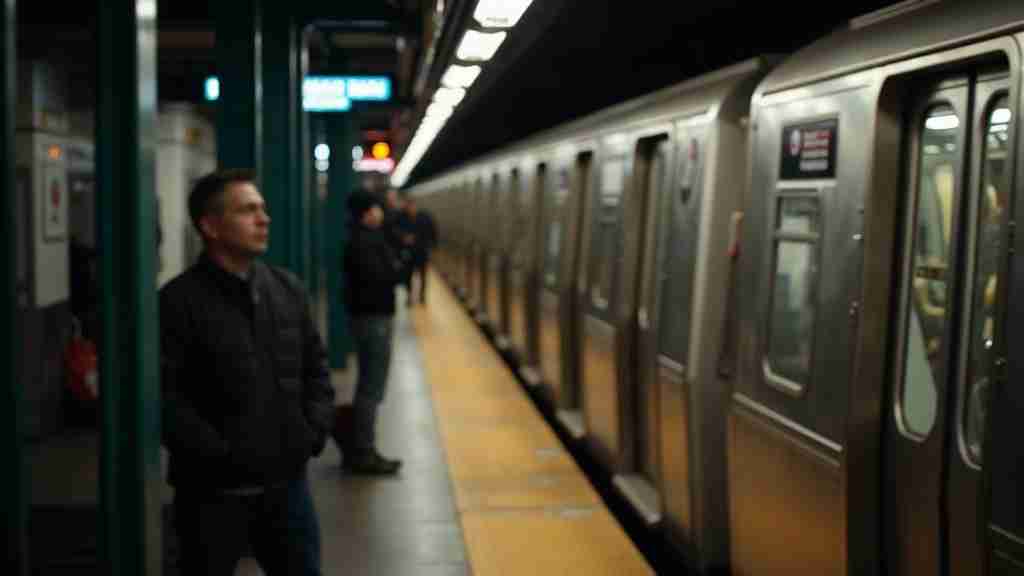
A rider’s foot slips into the gap between the subway car and the platform edge. A commuter gets caught in closing doors and is dragged several feet before the train stops. Both scenarios happen on New York City subway platforms with regularity, and both raise liability questions that are far more complicated than a typical slip-and-fall or car accident claim. That’s because the subway system sits inside a layered structure of government immunity rules, internal safety standards, and strict notice requirements that most injured riders never see coming.
Understanding why these cases are legally unique matters before you ever file a claim. The rules governing lawsuits against the Metropolitan Transportation Authority (MTA) and New York City Transit Authority are different from the rules that apply to a private landlord, store owner, or driver. Missing a deadline or a procedural step can end a claim before it starts.
Why Platform Gap and Door Closure Injuries Are Different From Other Premises Cases
Most premises liability claims involve a private property owner who owed a duty of care to someone lawfully on their property. Subway injuries involve a public authority that operates under its own statutory framework, including shorter notice deadlines and specific defenses unavailable to private defendants.
Several factors combine to make these cases legally distinct:
- Government defendant status: The MTA and NYC Transit are public authorities, which triggers special pre-suit notice requirements before a lawsuit can even be filed.
- Design and maintenance questions: Platform gap width, lighting, warning signage, and the “mind the gap” announcements all factor into whether the system was reasonably safe.
- Operator conduct: Door closure injuries often hinge on whether a conductor or train operator closed the doors without properly checking the platform, or ignored visible signs a passenger was still boarding.
- Equipment malfunction: Door sensors are supposed to detect obstructions and reopen automatically; when they fail, a mechanical defect claim may apply alongside a negligence claim.
- Shared responsibility: Investigators often examine whether the rider was rushing, distracted, or ignored posted warnings, which can affect the outcome under New York’s comparative negligence rules.
Platform Gap Injuries: What Makes Liability Hard to Pin Down
The gap between a subway car and the platform edge exists because of curved tracks and station design, and it varies significantly from station to station. Some gaps are wide enough that a rider’s foot, cane, or wheelchair wheel can become lodged, leading to falls, fractures, or worse if the train begins moving.
Factors That Shape a Gap Injury Claim
- Whether the specific platform had a known history of wider-than-normal gaps
- Whether warning markings, gap fillers, or audible announcements were present and functioning
- Lighting conditions at the time of the incident, particularly at night or during low-visibility hours
- Crowding levels that may have pushed or jostled the rider toward the edge
- Whether station staff or surveillance footage documented the incident
Because gap width is partly a function of station geometry that the Transit Authority is aware of and monitors, a claim can sometimes turn on whether the agency knew a particular platform posed an elevated risk and failed to take reasonable corrective steps, such as adding gap fillers or more prominent warnings.
Door Closure Injuries: Operator Error, Sensor Failure, or Both
Door closure incidents typically fall into two categories: the doors closed on a passenger and immediately reopened without further harm, or the doors closed on a passenger who was then dragged, struck, or pulled as the train began moving. The second category tends to produce the most severe injuries, including fractures, traumatic injuries, and in rare but devastating cases, catastrophic trauma.
Key Questions Investigators Ask
- Did the door’s safety sensor detect the obstruction and fail to reopen, suggesting a mechanical defect?
- Did the conductor have a clear sightline down the platform before signaling the doors closed?
- Was the train held open long enough for boarding passengers given the platform’s crowd level?
- Does maintenance and inspection history show prior complaints about that specific train car’s doors?
- Was there a announced warning that doors were closing, and was it audible over platform noise?
These cases often require obtaining internal maintenance logs, train operator statements, and surveillance footage before evidence is lost or recordings are overwritten, which is why early investigation matters so much in subway injury claims.
The Procedural Hurdles That Set These Cases Apart
Suing a public transit authority in New York involves strict procedural steps that do not apply to claims against private businesses or individual drivers. Missing any one of these steps can bar an otherwise valid claim.
| Requirement | Why It Matters |
|---|---|
| Notice of Claim | A formal notice must generally be filed with the transit authority within a short window after the incident, far sooner than the typical personal injury statute of limitations. |
| 50-h Hearing | The authority can require the injured person to testify under oath about the incident before any lawsuit is filed. |
| Shortened Filing Deadline | Lawsuits against public authorities often must be commenced within a shorter period than claims against private defendants. |
| Government Records Access | Obtaining maintenance records, incident reports, or surveillance footage from a public authority can involve additional formal requests and delays. |
Because these deadlines run quickly, often within months rather than years, anyone injured by a platform gap or closing doors should treat early legal guidance as a priority rather than something to postpone.
Common Injuries Seen in These Incidents
The physical consequences of gap falls and door closure incidents range widely depending on the mechanics of the accident. A foot caught in a platform gap can produce a straightforward ankle fracture, while a passenger dragged by a departing train can suffer far more severe harm.
- Fractures and dislocations from falls into the gap
- Crush injuries to hands, arms, or torsos caught in closing doors
- Lacerations and abrasions from contact with the train or platform edge
- Traumatic brain injuries from falls or impacts with platform structures
- Spinal cord injuries in more severe dragging or fall incidents
- In the most extreme cases, amputation or loss of limb injuries
Because these injuries often require extended medical treatment, documenting the full scope of harm, including follow-up care and long-term prognosis, is an important part of building any claim against a public transit defendant.
Comparative Negligence and Shared Fault on the Platform
New York follows a pure comparative negligence rule, meaning an injured rider’s compensation can be reduced by their percentage of fault rather than barred entirely. In subway cases, this often becomes a central battleground.
The transit authority’s legal team may argue the rider was looking at a phone, running for a closing train, standing too close to the edge, or ignoring posted warnings. Countering that argument typically requires evidence such as station surveillance footage, witness statements, and a clear picture of what warnings and safety measures were actually in place and functioning at the time.
Evidence That Tends to Matter Most
Because subway stations are heavily monitored environments, evidence preservation is both an opportunity and a race against time.
- Station and train car surveillance footage, which is often overwritten after a limited retention period
- MetroCard or OMNY tap records establishing time and location
- Maintenance and inspection records for the specific door mechanism or platform
- Prior complaint history for the station or train car involved
- Medical records documenting the injury and treatment timeline
- Witness contact information gathered at or near the scene
Given how quickly footage can be lost and how short the notice-of-claim window runs, these cases reward prompt action far more than most personal injury matters. For a broader look at how these claims typically unfold, this overview of train-related injury risk on New York platforms covers additional context worth reviewing.
How These Claims Fit Into Broader Premises and Transit Liability
Platform gap and door closure cases sit at the intersection of premises liability and transit negligence law. The underlying legal theories overlap with other premises liability claims involving unsafe conditions on property open to the public, while also drawing on principles specific to common carrier obligations, since transit systems owe passengers a heightened duty of care while boarding and alighting. Anyone navigating a subway or train accident claim benefits from understanding both frameworks, since the strongest cases often draw on evidence and arguments from each.
What to Do After a Platform Gap or Door Closure Incident
- Seek medical attention promptly, even if injuries seem minor at first
- Report the incident to a station agent or MTA personnel and ask for an incident report number
- Photograph the platform gap, door mechanism, warning signage, and any visible injuries
- Collect names and contact information for any witnesses nearby
- Avoid giving a recorded statement to transit representatives before speaking with legal counsel
- Keep transit fare records (MetroCard or OMNY history) that confirm the date, time, and station
Brooklyn commuters rely on the subway system daily, which means these incidents are far from rare, even if each case carries its own particular facts about the station, the train car, and the circumstances of the fall or closure.
Moving Forward After a Subway Platform Injury
Platform gap and door closure injuries raise liability questions that go well beyond a simple accident report. Between government notice deadlines, questions of mechanical defect versus operator error, and the comparative fault arguments that almost always surface, these claims demand a careful, well-documented approach from the very beginning.
If you or someone you care about has been hurt by a subway platform gap or closing train doors, it helps to understand your options before deadlines start to close in. The team at Ikhilov & Associates has guided injured New Yorkers through the particular challenges these cases present, and you can learn more by visiting our contact page or reading more about our approach on our about us page. You can also find us and read reviews from past clients on our Google Business Profile.

Keep reading
More from the blog
Who Is Liable When a Lyft Driver Hits a Pedestrian in Brooklyn
A rideshare accidents attorney explains who's liable when a Lyft driver hits a pedestrian in Brooklyn, covering app…
Read more
What Is Premises Liability? Negligent Security vs. Slip and Fall in Brooklyn
What is premises liability, and how do negligent security claims differ from slip and fall cases in Brooklyn?…
Read more
How to Prevent Workplace Injuries: Why RSI Claims Get Denied in Brooklyn
Learn how to prevent workplace injuries like carpal tunnel and back strain, and why repetitive stress claims are…
Read moreTalk to a lawyer about your case
A case review costs nothing and puts you under no obligation. We work on a contingency fee, so there is no fee unless we recover compensation for you.